
Build a Backyard Wildlife Corridor
One of the simplest ways to bring more birdlife into the Peel region is to plant local native species in connected “green links”—small wildlife corridors that help birds move safely between gardens, parks and bushland. Men Of The Trees (Peel Branch) has long focused on propagating and planting native plants, supporting community rehabilitation plantings, and making healthy native plants available through The Shed (nursery) in Dawesville.
In practical terms, a wildlife corridor can be as small as a continuous line of shrubs and trees along a fence, driveway, verge, or side boundary—plus a few “stepping‑stone” plantings that connect your yard to nearby green spaces. Birds use these links for shelter, nesting sites, nectar, seeds and insects. The secret is layers: tall trees for perching and watching, mid‑storey shrubs for protection, and groundcovers/sedges for foraging and nesting materials.
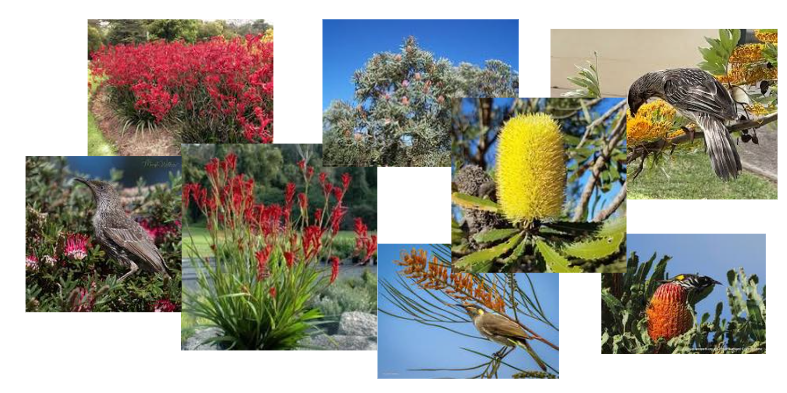
To make your garden genuinely bird-friendly, aim to include:
- Nectar plants to draw honeyeaters (flowers across different seasons)
- Dense, prickly shrubs to give small birds safe cover from predators
- Berry/seed plants for finches and insectivores
- A shallow water source (a dish with stones for safe footing, refreshed regularly)
- Leaf litter and mulch zones—a natural “insect buffet” for wrens and robin-type birds
If many neighbours do this—even on a small scale—your street becomes a living corridor, supporting more birds, more pollinators, and a healthier local ecosystem.